Artificial Intelligence
What Every Designer Should Know About Development
As someone who has worked in the web industry for over 10 years, I've seen a lot of friction between designers and developers.
Low-friction UX wins users. From NYC subway Apple Pay to Google SSO, reducing cognitive friction drives adoption. Learn why ease beats features.

I was recently in New York City for the NRF conference. While there, I had dinner with a friend—who is also an NYC native—and got to the dinner by riding the subway.
Dinner was great, but it being New York and conference time, I had another dinner to attend after that one. And my friend, who was headed up town, was nice enough to show me and Dave Bellous, Metal Toad's VP of Strategy, how to ride the subway (Thank you, Steven!).
The New York City subway gets a lot of bad press, with headlines like:
• NYC Subways are worse “Third World Countries” or
• How NYC Subways Got so Bad: NYT Report or
• MTA conductor randomly attacked on Queens subway train
As non-New Yorker, I half-expected to enter the subway and immediately be mugged, but this was not the case. Was it clean? Not really. Was it quiet. No. But it got me from A to B (and C, D, etc) much faster than walking or even than taking a cab.

Me, riding the subway
But the real gem of the NYC subway experience was how I paid for a ride: I took my phone out of my pocket and I used Apple Pay.
That's it.
No calculating where I was going. Looking around for a ticket booth, and hoping I select the right fare. No fumbling through my pocket for tickets. I just clicked a button on the side of my phone, looked at the screen, and walked through the turnstile. And at $3 per ride, it might be the best deal in the whole city.
This experience is what in the user experience space is called a "low friction" experience. The term "cognitive friction" was coined by Alan Cooper in his 1999 book on software development, The Inmates Are Running the Asylum: Why High Tech Products Drive Us Crazy. It's the extra mental effort we must exert because of poor design that leads to confusion, frustration, and errors. And that brings us to Google.
Most people know Google as a search engine, but Google is a giant not just because of Search, but because they are the invisible key to our digital lives. They have GMail, and Google Maps, and YouTube—and a dizzying array of products including their cloud infrastructure which underpins around 12% of all global internet traffic (AWS is more at 30%, but who's counting?).
But the unsung hero of the Google ecosystem is their single sign on (or SSO).
We all sign into a lot of web apps these days. From your bank, to online shopping, to your email, we are constantly needing to be authenticated. This has created the very modern problem of password management, and with every system we have to navigate there are challenges:
• different password requirements
• different login interfaces
• authentication timeouts
And the list goes on.
But Google has made it very, very easy to get into the apps that you use, not only within their ecosystem, but for 3rd party apps as well. They have enabled Apple Pay at the turnstile, allowing you to get on to the subway with a minimal amount of friction.
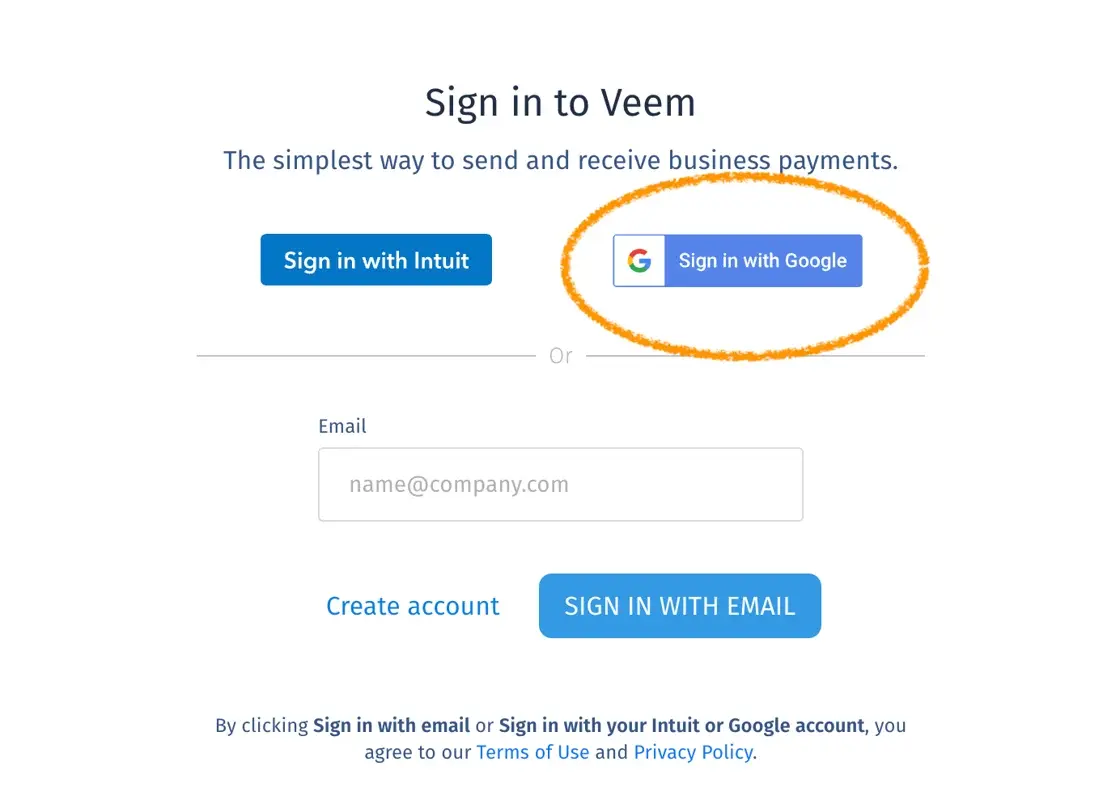
A typical app offering a few ways to login or create an account. Personally when provided the option, I ALWAYS choose Google SSO.
Astute readers may be thinking to themselves, "But doesn't that make Google Single Sign On like Apple Pay, not like the New York City subway?". Yes, you would be right, but in all of these cases, we are seeing reduced friction.
Reducing friction was a major theme at the NRF conference as well. With demos like Amazon's "Just Walk Out" technology, companies are focused on making retail buying as easy and painless as possible.
Whether it’s a subway turnstile or a login screen, the systems we choose are the ones that get out of the way. Friction is a tax on attention, and users avoid paying it whenever they can. The winners—online and off—aren’t the loudest or flashiest, but the ones that quietly let people move.
As someone who has worked in the web industry for over 10 years, I've seen a lot of friction between designers and developers.
If you've been tasked with selecting a web developer, you may find the experience a lot like looking for an auto mechanic.
Do you remember that Art Director who burst into your office with a crazy deadline for a print piece and then let you figure out who to actually make...